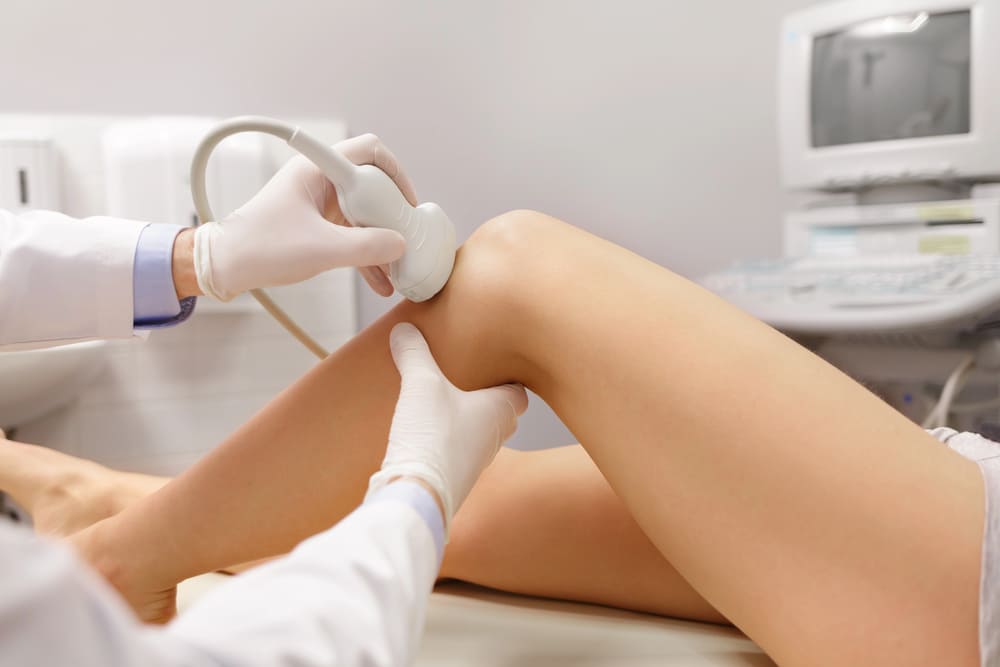


When people begin comparing non surgical therapies for pain relief and tissue repair, two options usually rise to the top: SoftWave and StemWave. Both are known for offering relief without medication or surgery, and both aim to support healing in damaged or inflamed tissue.
However, the science behind these devices and the real world results they produce show clear differences.
At SpineWell Disc & Joint Centers we rely on SoftWave Tissue Regeneration Technology because it consistently provides deeper, faster, and longer lasting improvement. This is especially true for degenerative joint issues, disc related pain, chronic inflammation, and conditions involving irritated nerves.
This blog breaks down why SoftWave stands out compared to other shockwave systems and how it supports patients who have not improved with other treatments.
How Each Technology Works: Wide Field Energy vs. Focused Shockwaves
SoftWave and its unfocused electrohydraulic design
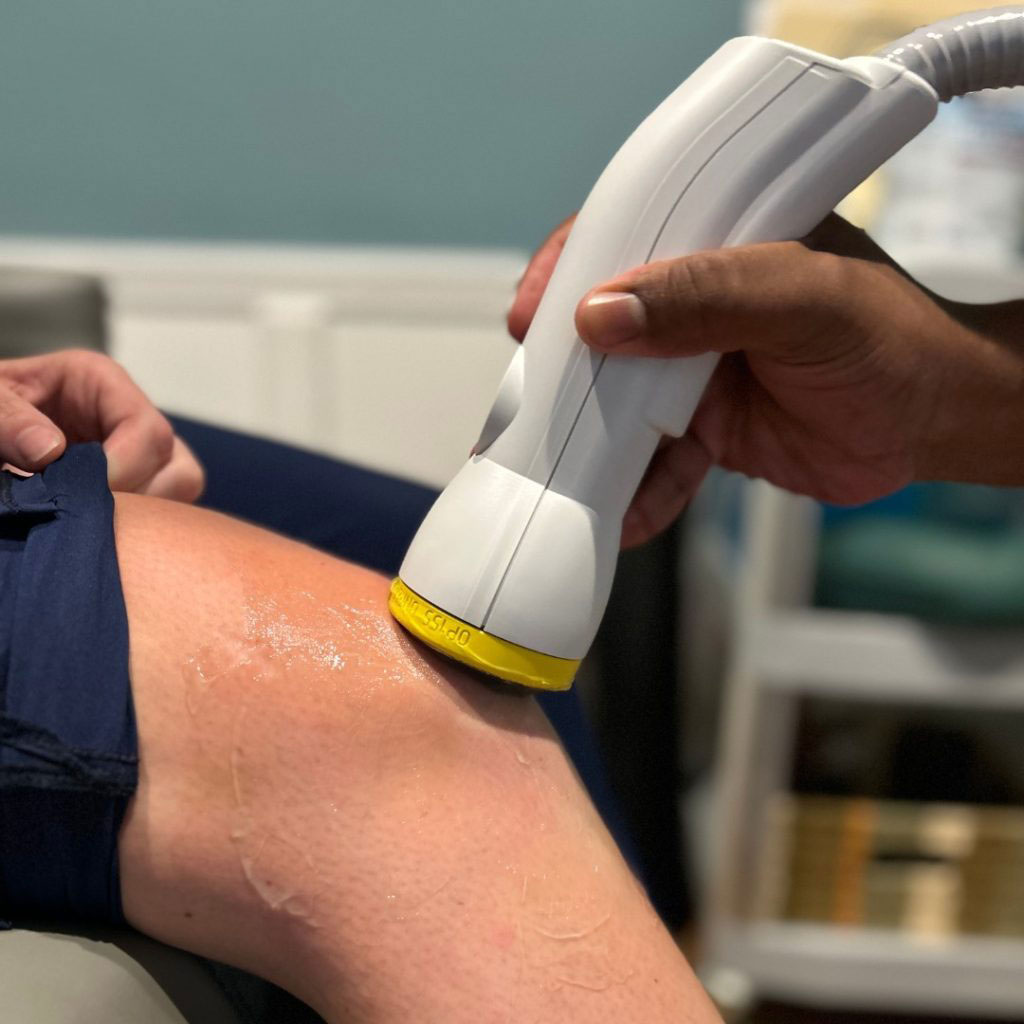
SoftWave uses a patented parabolic reflector that sends thousands of energy vectors into the tissue at the same time. This creates a broad treatment field rather than a single concentrated point.
This design allows SoftWave to:
• Activate resident mesenchymal stem cells
• Increase blood flow significantly
• Break apart fibrosis and scar tissue
• Stimulate deeper tissue remodeling
• Reduce pain quickly
StemWave and its focused shockwave approach
StemWave concentrates energy into a pinpointed focal area. Although this can help with very small and localized problems, it does not offer the same broad regenerative effect needed for complex or degenerative conditions.
Focused devices typically require:
• More precision during application
• A higher number of pulses
• Additional treatment sessions
• Greater operator skill
• A more uncomfortable experience for many patients
The wide field regenerative effect of SoftWave is what gives it a consistent clinical advantage.
Depth and Comfort: How Each Device Feels During Treatment
SoftWave reaches deep tissue with less sharp discomfort
SoftWave penetrates approximately six to eight centimeters or more. Because the energy spreads across a wider area, patients do not experience the strong pressure sensation that focused systems produce.
Most people describe SoftWave as:
• Deep but manageable
• Therapeutic and productive
• Helpful in identifying areas with hidden damage
StemWave may feel more concentrated and sharper
Since StemWave directs its energy into a very small focal point, deeper or inflamed tissues can feel more sensitive during treatment.
Scientific Backing: SoftWave Has Stronger Research Support
SoftWave’s technology is supported by extensive evidence, including:
• More than fifty peer reviewed studies
• Over forty patents
• More than twenty five million dollars invested in research and development
• Demonstrated activation of stem cells within forty five minutes
• Documented release of growth factors such as VEGF, BDNF, and TGF beta
• Use in institutions like Mayo Clinic, Cleveland Clinic, and several professional sports teams
SoftWave has FDA clearances for:
• Pain reduction
• Improved blood circulation
• Activation of connective tissue
• Reduction of chronic inflammation
• Wound healing support
In contrast, StemWave depends largely on general ESWT research rather than studies focused on its specific device.
How Other Shockwave Devices Compare
The growth in shockwave therapy has led many clinics to purchase devices that sound similar but do not create true regenerative effects. Most fall into the following categories:
1. Radial pressure wave devices
These devices generate vibration instead of true shockwaves.
They typically provide:
• Very shallow penetration
• Minimal regenerative benefit
• Short term pain relief rather than lasting change
2. Pneumatic or air driven devices
These systems use a projectile to create force, functioning more like a mechanical impact than a biological signal.
Common issues include:
• Higher discomfort
• Inconsistent energy delivery
• Limited regenerative capability
• Ineffective results for chronic degeneration
3. Low energy acoustic pulse devices
These produce gentle pulses that can temporarily reduce discomfort but do not:
• Activate stem cells
• Improve blood flow
• Remodel degenerative tissue
• Reach deep joint structures
Why this matters
Many of these devices are marketed as shockwave systems even though they do not trigger the same cellular or vascular responses produced by true unfocused electrohydraulic shockwaves like SoftWave.
This becomes especially important for conditions such as knee degeneration, rotator cuff damage, disc problems, neuropathy, and long standing inflammation.
Common Degenerative Conditions Treated with SoftWave
SoftWave is particularly effective in degenerative conditions because it affects multiple tissues at once, including cartilage, ligaments, tendons, and surrounding soft tissue.
Below are the knee and shoulder conditions we frequently treat at SpineWell.
Knee Degeneration
1. Osteoarthritis from mild to severe
Cartilage loss leads to pain, stiffness, swelling, and difficulty with everyday movement. SoftWave increases circulation, decreases inflammation, and stimulates cellular activity that supports stronger tissue quality.
2. Degenerative meniscus changes
Instead of trimming tissue surgically, SoftWave helps the body release natural repair signals.
3. Chronic tendinopathy in the patellar or quadriceps tendon
Microtears and fibrosis accumulate over time. SoftWave breaks down unhealthy adhesions and promotes healthier tendon remodeling.
4. Degeneration of knee ligaments such as the MCL, LCL, or partial ACL injuries
SoftWave supports angiogenesis and collagen strengthening in these structures.
5. Post surgical degenerative pain
Many patients experience increased stiffness six to twenty four months after arthroscopy. SoftWave helps restart biological healing pathways.
Shoulder Degeneration
1. Rotator cuff tendinosis and partial tears
SoftWave improves fibroblast activity, decreases chronic inflammation, and enhances tendon organization.
2. Glenohumeral osteoarthritis
SoftWave increases circulation in a joint that naturally receives very limited blood flow.
3. Biceps tendinopathy
The treatment reduces inflammatory cytokines and encourages stronger tendon repair.
4. AC joint degeneration
SoftWave can support comfort and function in this frequently overloaded joint.

Frequently Asked Questions
Testimonials
Our Locations
2 Offices In North FL To Serve You
Nearby Cities:
Nearby Places:
Nearby Cities:
Nearby Places: