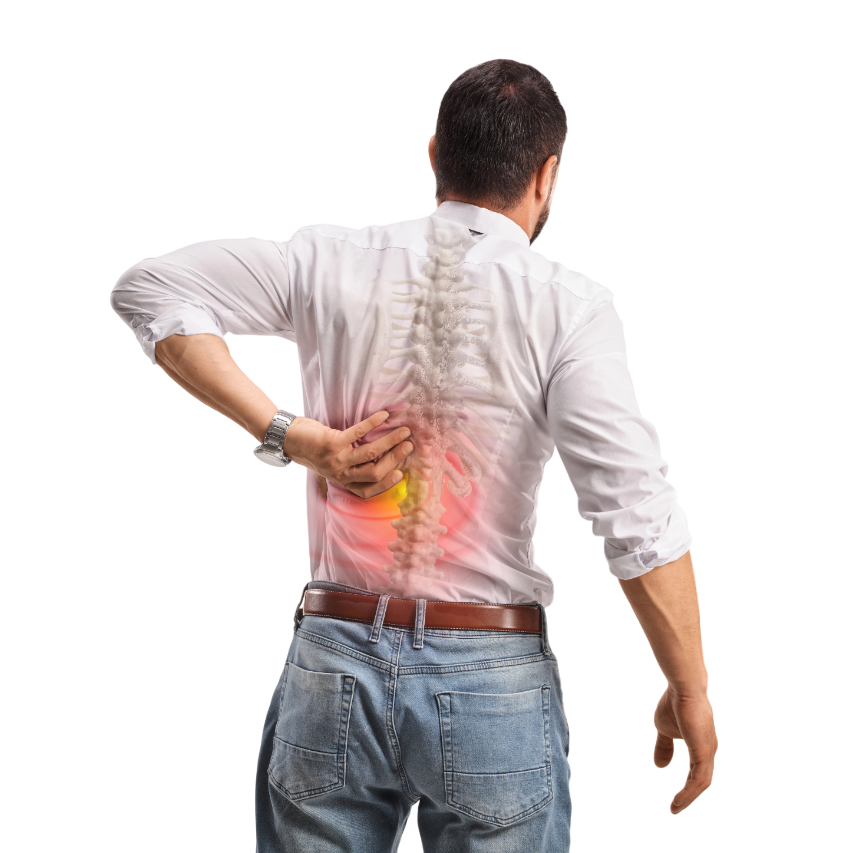


Sciatica is one of the most common sources of lower back pain, affecting millions of people each year. This condition occurs when the sciatic nerve, which runs from your lower back through your hips and down each leg, becomes irritated or compressed. Sciatica pain can range from mild discomfort to severe, sharp pain that radiates through the lower back and legs. Fortunately, there are several effective treatments available to relieve sciatica pain, and chiropractic care is one of the most beneficial, non-invasive solutions.
In this blog, we’ll discuss what sciatica is, its common causes, and how chiropractic care and other treatments can provide relief and help you manage the condition effectively.
What is Sciatica?
Sciatica is a symptom of an underlying medical condition that affects the sciatic nerve, the largest nerve in your body. The sciatic nerve begins in your lower back and travels through your hips, buttocks, and legs. Sciatica pain occurs when this nerve is compressed, irritated, or inflamed, leading to pain, numbness, tingling, or weakness in the affected leg. The pain may also radiate from the lower back down to the foot.
The most common symptoms of sciatica include:
- Sharp, burning pain in the lower back, buttock, or down the leg
- Numbness or tingling sensations in the leg or foot
- Weakness in the leg or foot
- Pain that worsens when sitting, standing, or twisting the spine
- Difficulty moving or controlling the leg

What Causes Sciatica?
Sciatica is usually caused by a problem in the spine or the surrounding structures that compresses or irritates the sciatic nerve. Some common causes include:
- Herniated Discs
A herniated or bulging disc in the lumbar spine (lower back) can press on the sciatic nerve, causing pain. This is one of the most common causes of sciatica. - Spinal Stenosis
Spinal stenosis occurs when the spinal canal narrows, putting pressure on the spinal cord and nerves. This narrowing can lead to sciatic nerve compression. - Degenerative Disc Disease
As the discs between the vertebrae wear down with age, the vertebrae may move out of alignment, placing pressure on the sciatic nerve. - Piriformis Syndrome
The piriformis muscle, located in the buttocks, can sometimes tighten or spasm and irritate the sciatic nerve, causing pain. This is known as piriformis syndrome. - Spondylolisthesis
This condition occurs when one vertebra slips over another, potentially compressing the sciatic nerve.
Trauma or Injury
Accidents, falls, or injuries that damage the spine can lead to sciatica symptoms.
Chiropractic Care for Sciatica Relief
Chiropractic care is a highly effective, non-invasive treatment for sciatica pain. Chiropractors focus on diagnosing and treating musculoskeletal conditions, especially those that affect the spine and nervous system. Chiropractic treatments for sciatica often include:
- Spinal Adjustments
Spinal adjustments (also called spinal manipulations) are the cornerstone of chiropractic care. These adjustments involve a chiropractor using their hands to gently manipulate the spine to restore proper alignment. By realigning the vertebrae and relieving pressure on the sciatic nerve, chiropractic adjustments can help reduce pain, inflammation, and nerve irritation. - Pelvic Stabilization Techniques
Chiropractors may use pelvic stabilization techniques to help stabilize the pelvis and spine. This can reduce nerve compression, improve posture, and reduce the severity of sciatica symptoms. - Physical Therapy and Exercise
Chiropractors often incorporate physical therapy exercises to help strengthen the muscles supporting the spine and improve flexibility. Exercises may include stretches for the lower back, hips, and legs to relieve pressure on the sciatic nerve.
Massage Therapy
Chiropractors may also use therapeutic massage to relax tight muscles in the back, buttocks, and legs. Massage therapy can reduce muscle tension, improve blood flow, and enhance the effectiveness of chiropractic adjustments.
Other Treatments for Sciatica Pain Relief
While chiropractic care is highly effective, other treatment options can be used to complement your chiropractic plan and provide further relief from sciatica pain:
- Heat and Ice Therapy
Applying heat or ice to the affected area can reduce inflammation and provide temporary pain relief. Cold packs can help numb the pain, while heat can promote circulation and relax the muscles. - Stretching and Strengthening Exercises
Stretching the muscles of the back and legs can reduce pressure on the sciatic nerve. Strengthening exercises for the core and lower back can improve posture and prevent future flare-ups of sciatica. - Epidural Steroid Injections
In some cases, when pain is severe and persistent, epidural steroid injections may be recommended. These injections deliver anti-inflammatory medication directly into the spinal area to reduce swelling and relieve pain. - Over-the-Counter Pain Medications
Nonsteroidal anti-inflammatory drugs (NSAIDs), such as ibuprofen, can help reduce inflammation and alleviate pain in the short term. - Lifestyle Changes
Maintaining a healthy weight, improving posture, and avoiding prolonged sitting can help prevent sciatica flare-ups. Regular physical activity, such as walking or swimming, can also strengthen the muscles of the back and legs.
Book Your Appointment Today
If you’re struggling with sciatica pain, don’t wait for it to get worse. At SpineWell Centers, we offer chiropractic care and other non-invasive treatments to provide relief and help you manage your symptoms. Our experienced team is here to help you find the best solutions to get you back to living pain-free. Schedule your appointment today.
FAQs About Sciatica and Chiropractic Care
Testimonials
Our Locations
2 Offices In North FL To Serve You
Nearby Cities:
Nearby Places:
Nearby Cities:
Nearby Places: